
Helping families and seniors navigate assisted living options with confidence, providing guidance on care, independence, and support so you can make informed decisions that suit your loved one’s needs and lifestyle.
Assisted living, also known as extra-care housing, provides seniors with a safe and comfortable home while offering the support they need to maintain independence. Residents typically live in self-contained flats with their own front door, while trained staff are available up to 24 hours a day to provide personal care and assistance. This support can be tailored to individual needs and may include help with washing, dressing, and personal hygiene, using the toilet and managing medications, as well as daily tasks such as shopping, laundry, and meal preparation. If you’re unsure which assisted living option is right for you or your loved one, our senior life care advisors can help guide you through the process with personalised support and expert insight.
Private living spaces with your own front door.
Personal care and assistance whenever needed.
Quick response via an alarm system.
Organized community events to stay connected and engaged.
Spaces to socialize at your own pace.
Assistance with meals, shopping, and laundry.
The cost of assisted living can vary widely depending on whether you rent or buy your accommodation, the community you choose, the level of care required, and the location. It’s important to understand all potential expenses upfront so you can budget effectively and avoid surprises. Regular charges may cover personal care, services, and maintenance, while additional costs like utilities and council tax can also apply. Clarifying any one-off fees, such as administration or exit fees, is essential before making a commitment.
Key costs to consider include:


Before moving to assisted living accommodation, it’s important to carefully evaluate both the lifestyle you want and the practical features of the community. This ensures that the housing option not only meets your care needs but also provides a comfortable, safe, and engaging environment. Thinking about the property, the services offered, and the surrounding area can help you make an informed decision and enjoy a smooth transition to your new home.
When considering assisted living, it’s important to understand that different communities offer different levels of care, amenities, and social opportunities. Here’s a detailed guide to help you make an informed choice.
Small residential homes are typically family-style houses or converted residences accommodating 4–15 residents. These communities focus on creating a warm, homely environment where seniors feel supported and valued. Staff get to know each resident personally, offering care that fits daily routines and individual preferences. Residents often form strong social bonds, and family involvement is encouraged.
Large purpose-built communities are modern facilities designed specifically for assisted living, usually housing 50–200+ residents. These communities provide a variety of apartment types, such as studios, one-bedroom, or two-bedroom flats, along with extensive on-site amenities including gyms, cafés, lounges, and libraries. Professional staff are available 24/7 to ensure safety and support, while organized social events, clubs, and recreational activities encourage residents to stay active, engaged, and independent in a vibrant community setting.
Specialist care facilities are designed for seniors with specific health or mobility needs, such as dementia, Alzheimer’s, or physical challenges. These communities offer enhanced safety features including secure entry, monitored hallways, and fall-prevention systems. Residents receive specialized care from trained staff, structured daily routines, therapy programs, cognitive stimulation activities, and regular health monitoring including medication management. Individualized care plans adapt to each resident’s needs, ensuring safety, independence, and overall well-being.


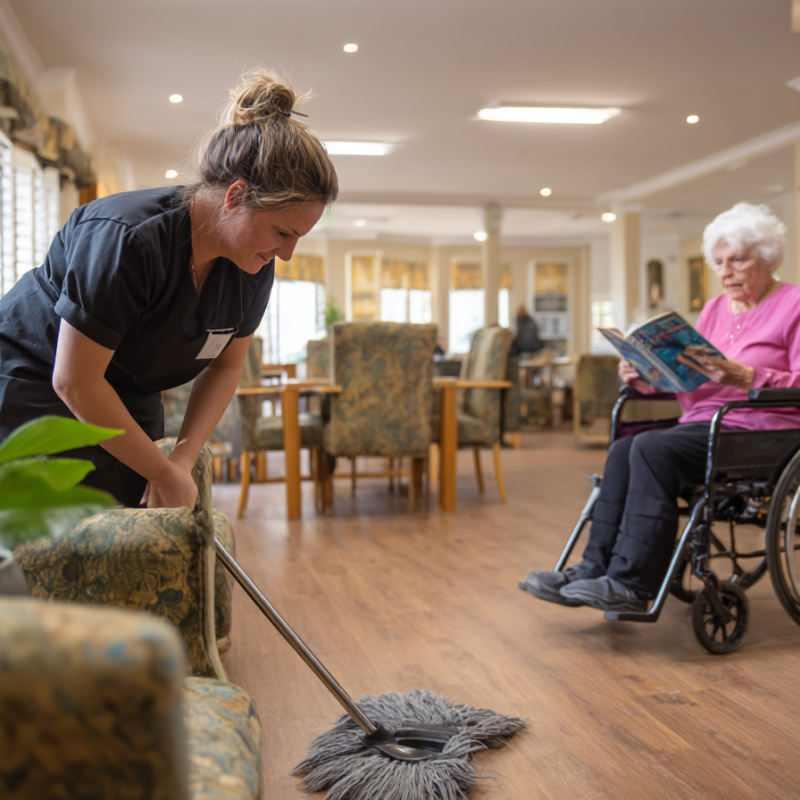
Assisted living communities provide a safe and supportive environment where seniors can maintain independence while having access to professional health and medical care. Staff are available around the clock to assist with daily needs, monitor health, and respond to emergencies. Many communities offer personalized medication management, routine health checks, chronic condition monitoring, and coordination with outside healthcare providers. Emergency response systems, on-site nursing, and specialized care programs for memory or mobility challenges ensure residents receive the appropriate level of support. Additional wellness services, such as physical therapy, occupational therapy, and fitness programs, help seniors maintain strength, mobility, and overall well-being, giving both residents and their families peace of mind.
Are you considering whether assisted living is the right choice for you or a loved one? Renting assisted living housing can provide a safe, comfortable home while giving access to personalized support with daily tasks such as personal care, medication management, or meal preparation—all while maintaining independence. Before deciding, it’s important to understand the costs, tenancy terms, and how releasing equity from your current home may affect your finances or eligibility for benefits.
Before deciding, it’s important to understand the costs, tenancy terms, and how releasing equity from your current home may affect finances or eligibility for benefits. Council-managed placements are typically offered after a social services care assessment and eligibility review, while private rentals provide more choice but require careful review of tenancy agreements, security of tenure, and responsibilities for maintenance or repairs. Evaluating ongoing fees, potential impact on benefits, and available support services will help ensure the arrangement meets both care and financial needs.
Assisted living, also called extra-care housing, provides seniors with a safe, comfortable home while offering support for daily tasks. Residents typically live in self-contained flats, with staff available to assist with personal care, medication, meals, and other daily activities as needed.
Most communities have a minimum age requirement, usually 55 or 60. Assisted living is suitable for seniors who want to maintain independence but need help with daily tasks or would benefit from on-site support and social opportunities.
Costs vary depending on location, the level of care required, and whether you rent or buy. Fees often include rent or mortgage, service charges, and care costs. Additional costs may include utilities, council tax, and one-off administration fees.
Yes. Some communities are available for private purchase or rental, while others are managed by local councils following a social services care assessment. Renting is often more flexible if your care needs change over time
Visit multiple communities, speak with staff and residents, and assess your care needs, lifestyle preferences, and budget. Working with a senior living advisor, like Genesis 22, can make the process simpler and help you make informed decisions